
For many women, the menstrual cycle is not just a monthly event. It can offer valuable insight into general health and well-being. Changes to your energy, sleep, mood, digestion and menstrual cycle can all give you important clues about how your body is doing.
At HE Acupuncture we see a lot of women who want a more holistic view of their health. Some want to know why their cycle has changed over the years, others are eager to know how Traditional Chinese Medicine (TCM) interprets menstrual wellbeing.
One of the most established aspects of TCM is herbal medicine. With a history spanning thousands of years, Chinese Herbal Medicine continues to be widely used as part of healthcare in modern China and has become increasingly popular in the UK.
For those exploring Chinese Herbal Medicine Matlock, understanding how TCM views menstrual health can be a useful starting point.
Looking Beyond Symptoms
A key principle of Traditional Chinese Medicine is that health concerns should be viewed within the context of the whole person.
Rather than focusing solely on one symptom, practitioners consider a range of factors, including sleep, energy levels, emotional well-being, digestion, lifestyle, and menstrual history. This helps build a more complete picture of a person's health.
When discussing menstrual wellbeing, questions may include:
Is your cycle regular?
How would you describe your energy levels throughout the month?
Do you notice changes in mood before or during your period?
How is your sleep quality?
Have there been any recent lifestyle or stress-related changes?
This broader assessment allows treatment plans to be tailored, rather than based on a single symptom alone.
Traditional Chinese Medicine Perspective
In Traditional Chinese Medicine, the menstrual cycle is intimately connected with the balance and flow of Qi (vital energy) and Blood in the body.
When Qi and Blood flow smoothly, the body is thought to function more harmoniously. These can manifest in various aspects of health in case of imbalances.
TCM practitioners approach on a pattern basis. So two women having similar concerns may get totally different recommendations based on their overall health profile.
This personalized philosophy is one reason many women are interested in learning more about Chinese Herbal Medicine Matlock services and how Traditional Chinese Medicine approaches women's health.
The Role of Chinese Herbal Medicine
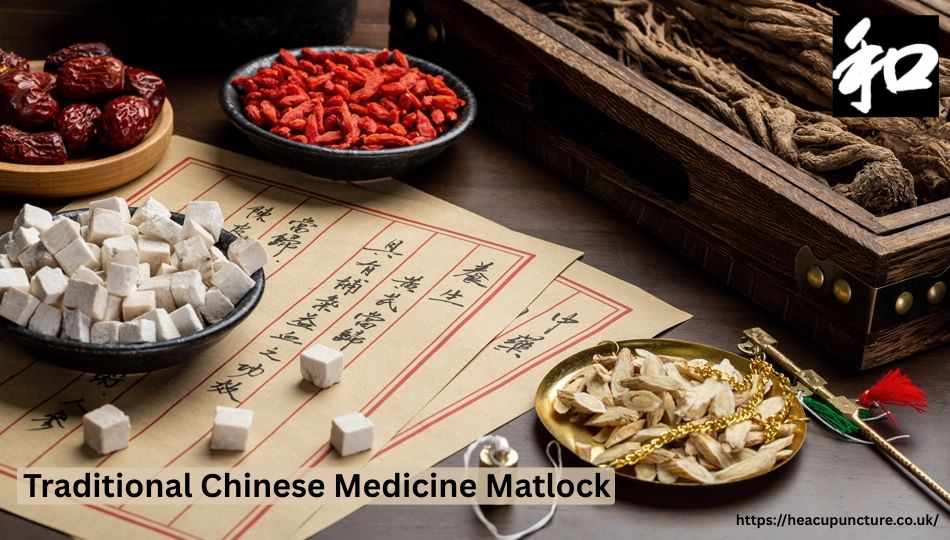
Chinese Herbal Medicine is one of the core therapies within Traditional Chinese Medicine. Herbal formulas are traditionally selected based on an individual's unique presentation rather than simply a diagnosis or symptom.
Practitioners may adjust formulas over time as a person's health changes, reflecting the highly individualised nature of treatment.
Modern Chinese Herbal Medicine integrates centuries of traditional knowledge with ongoing research and clinical development. Today, it continues to be an important part of health care settings throughout China, often used with conventional medicine.
Matlock Chinese Herbal Medicine consultations provide women with an opportunity to explore health concerns from a Traditional Chinese Medicine perspective and receive personalised professional guidance towards a holistic approach to wellbeing.
How Acupuncture May Complement Herbal Medicine
Even though Chinese Herbal Medicine and acupuncture are distinct therapies, they’re often used together within Traditional Chinese Medicine practice.
At HE Acupuncture, some patients like to combine herbal medicine with Acupuncture Matlock treatments, as part of a tailored care plan.
One reason this combination is valued in TCM is that both approaches aim to support balance and encourage the smooth circulation of Qi and Blood.
Many patients are also interested in the potential of acupuncture, especially as part of a wider wellbeing strategy.
And while everyone’s experience is different, some of the most commonly discussed acupuncture benefits are help with relaxation and support for stress management.
Why Choose HE Acupuncture?
Choosing a practitioner is an important decision, particularly when seeking support for women's health concerns.
HE Acupuncture is led by Xuqiang Wu, a Licensed Acupuncturist trained in both the UK and China, with a strong background in Traditional Chinese Medicine. His training combines traditional concepts with modern clinical insight, so the care can feel thoughtful and personalised, not generic.
With ongoing professional development, plus years of hands-on clinical experience, Xuqiang takes time to understand each person’s own situation, rather than using one standardised template.
Patients who are interested in Chinese Herbal Medicine Matlock services often mention that they appreciate this approach, where the consultation looks at symptoms but also the bigger picture around wellbeing.
Along with herbal medicine, HE Acupuncture also offers Acupuncture Matlock, Tuina massage, moxibustion, and DDS bio-electrotherapy, so treatment plans can be arranged around your needs, your preferences, and what suits you best.
Whether you’re exploring Chinese Herbal Medicine Matlock for the first time, or you’re already thinking about Acupuncture Matlock, we aim to provide professional, patient-centred care that supports long-term well-being.
A Holistic View of Women's Health
Menstrual wellbeing is often influenced by many interconnected factors, including stress, sleep, lifestyle, emotional health, and overall balance within the body.
Traditional Chinese medicine often invites both patients and practitioners to look past just one or two particular symptoms, and instead take in a wider picture of health overall.
That broader view can give many women a real opportunity to understand their bodies better, and then take an active role in nurturing their well-being.
Frequently Asked Questions
1. What happens during a Chinese Herbal Medicine consultation?
Your health history, lifestyle, sleep, digestion, energy levels, and menstrual health are all usually thoroughly discussed during a session. The practitioner can use this information to create a customized treatment plan.
2. Can Chinese Herbal Medicine be used alongside acupuncture?
Yes. Within Traditional Chinese Medicine, herbal medicine and acupuncture are often used together as part of a personalised treatment plan when appropriate.
3. Is Chinese Herbal Medicine the same for everyone?
No. A key principle in TCM is individualisation. That means herbal recommendations are tailored to each person, not some one-size-fits-all formula, and they match your specific presentation, as well as your health needs.
4. What are some commonly discussed acupuncture benefits?
People often explore acupuncture for reasons related to relaxation and supporting overall health. Experiences vary between individuals, and treatment recommendations should always be personalised.

Write a comment ...